
News > MBC Africa Joins AgriVET Partners for Consortium Meeting and Study Visits in Portugal
MBC Africa Joins AgriVET Partners for Consortium Meeting and Study Visits in Portugal
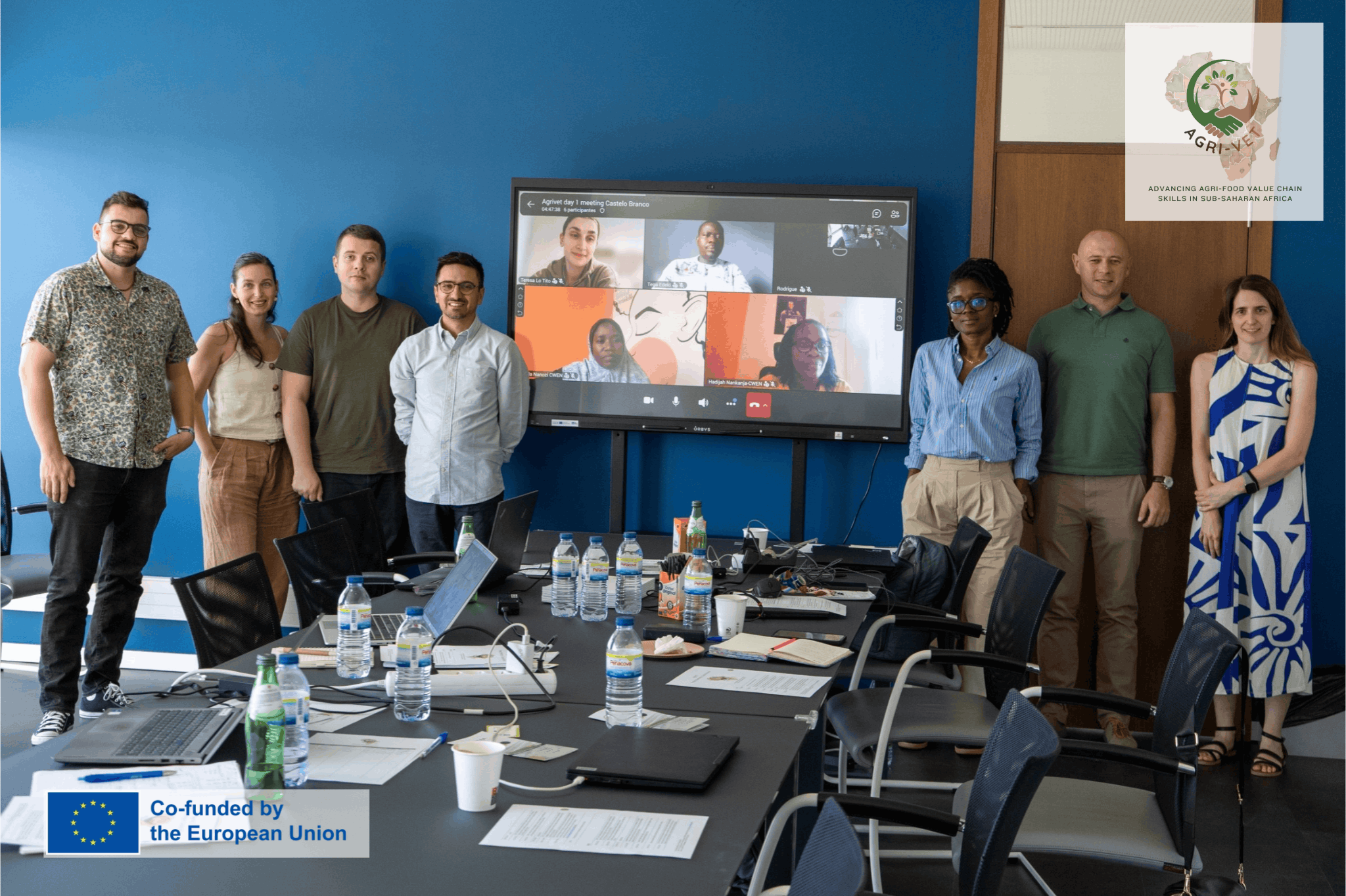
MBC Africa joined AgriVET consortium partners in Castelo Branco, Portugal, on 22–23 September 2026 for a two-day meeting hosted by the Portuguese partner, the Centre for Agri-food Technological Support (Centro de Apoio Tecnológico Agro-Alimentar).
The meeting brought together representatives of all six organisations participating in the AgriVET project: the Centre for Education and Entrepreneurship Support (Centrum Wspierania Edukacji i Przedsiębiorczości), the project coordinator from Poland; Citizens Information and Development Initiative from Nigeria; MBC Africa from Ghana; Community Women Enterprise Network Uganda Limited from Uganda; EXEOLab from Italy; and the host organisation, the Centre for Agri-food Technological Support (Centro de Apoio Tecnológico Agro-Alimentar) from Portugal. Together, the partners reviewed project progress and coordinated the next phase of implementation.
Advancing the AgriVET Training Curriculum
A key focus of the meeting was the review and harmonisation of the six training modules developed under the AgriVET project. Partners presented their respective modules, discussed common approaches and identified areas for refinement to ensure that the curriculum is relevant, practical and adaptable to the contexts of participating countries.
The curriculum is designed to equip learners with the knowledge and skills to understand, manage and improve agri-food value chains. Its content covers supply chains, digitalisation, markets and emerging technologies such as artificial intelligence and blockchain, alongside sustainable and circular-economy practices. It also emphasises practical and work-based learning to help learners respond to real-world industry needs.
While the curriculum follows a common framework, it will be adapted to the agricultural contexts of the implementing countries, using locally relevant crops and value chains.
Discussions also covered work-based learning, implementation resources, preparations for the pilot phase and the upcoming Train-the-Trainer meeting in Italy. With the curriculum approaching completion, the project is moving towards implementation and piloting through technical and vocational education and training institutions in Ghana, Nigeria and Uganda.
In each country, the training will be tailored to a specific crop and its agri-food value chain, combining classroom learning with work-based learning opportunities. This approach is intended to help learners apply their knowledge and skills in relevant real-world or simulated settings.
Connecting Curriculum Development with Real-World Practice
The consortium meeting also included three study visits organised by the Centre for Agri-food Technological Support. These visits gave partners the opportunity to explore local agricultural production, food innovation, traditional industries and approaches to resource use, linking the project’s curriculum discussions with practical examples.
Food Innovation and Testing at the Centre for Agri-food Technological Support
On the first day, partners visited one of the Centre for Agri-food Technological Support’s food testing laboratories at the Centro de Empresas Inovadoras (Centre for Innovative Companies).
The facility brings together a business incubator supporting start-ups and a food testing and research complex serving the agri-food sector. Its work supports food safety, quality compliance and product development. Operating under a shared non-profit management association, the wider facility provides a platform for agri-food and technological innovation in the Beira Baixa region.
The visit offered insight into the role of testing, research and business support in strengthening the food industry and supporting innovation.
Traditional Wool Processing and New Applications at MUTEX
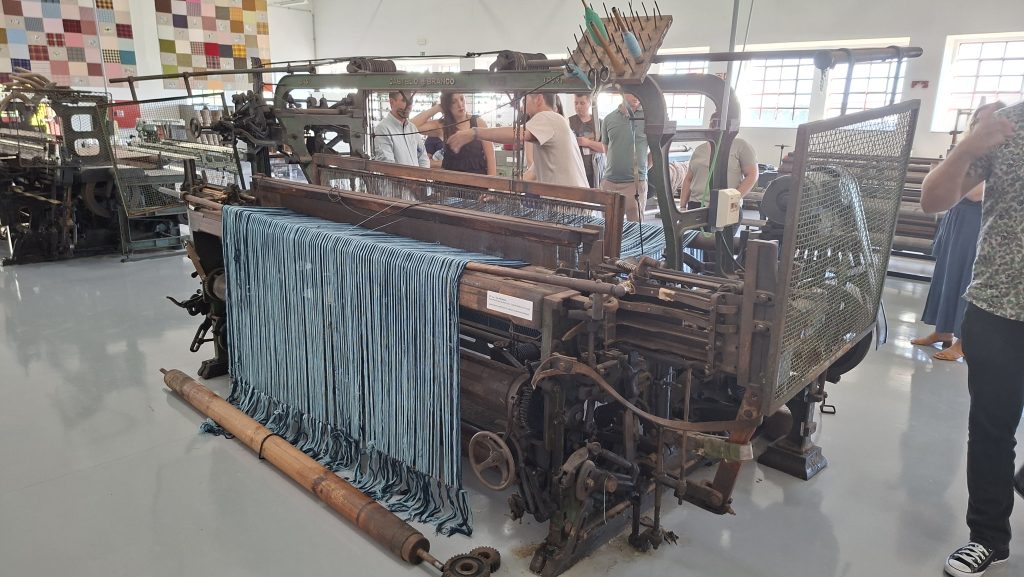
Partners also visited MUTEX, a family-owned former wool-processing factory that has been transformed into a textile museum preserving the history of the region’s wool industry.
The visit explored the use of locally sourced sheep wool, traditional processing technologies and opportunities to develop new applications for local resources as traditional markets evolve. Discussions on potential uses of wool in construction offered an interesting perspective on circular-economy practices and value creation from existing resources.
Sustainable Agriculture at Vale de Alfaia
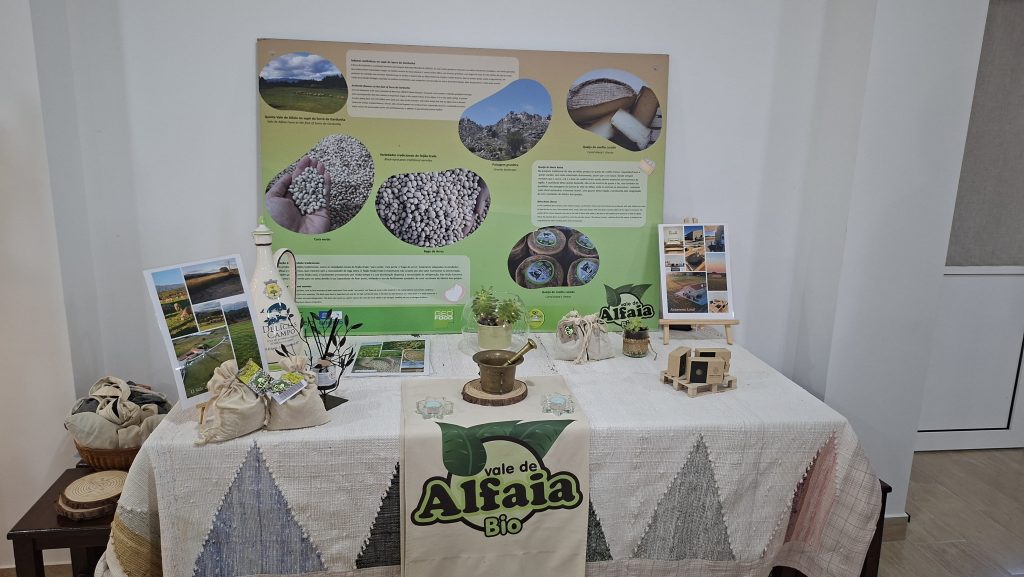
On the second day, partners visited Vale de Alfaia, a family-run organic farm and local lodging enterprise in Castelo Branco specialising in sustainable dryland agriculture and traditional food products.
The 25-hectare farm includes an on-farm processing facility and provided an opportunity to exchange knowledge on agricultural production, food processing and traditional preservation methods.
Its activities include sheep rearing and the production of fresh and seasonal cured cheeses, extra virgin olive oil, cowpeas, chickpeas and other legumes, chilli peppers and herbs for infusions.
The farm’s cultivation of cowpeas also provided a connection to West African agriculture. Originally from Africa, cowpeas remain widely cultivated in Ghana and across the region.
The visit concluded with a farm-to-table lunch featuring dishes prepared using fresh, locally produced ingredients.
Bringing Local Knowledge into Agri-Food Skills Development
Together, the consortium meeting and study visits connected curriculum development with real-world agricultural, food-processing and production practices. They reinforced the AgriVET project’s focus on practical, industry-responsive skills development and the importance of adapting training to local contexts.
For MBC Africa, the meeting provided an opportunity to contribute Ghanaian perspectives to the consortium and reflect on how local agricultural knowledge and industry practices can inform more practical and sustainable approaches to agri-food skills development.
As the project moves forward, the focus will shift from curriculum development towards training, implementation and piloting across technical and vocational education and training institutions in Ghana, Nigeria and Uganda.
About AgriVET
AgriVET is a European Union co-funded project bringing together six partner organisations from Europe and Sub-Saharan Africa to strengthen technical and vocational education and training for agri-food value chains. Through curriculum development, practical learning and work-based learning, the project aims to improve the relevance of skills development to the needs of the agri-food sector.
Learn more: www.agrivetproject.eu